
Finding Dance Nights Near You
Partner dance evenings aren't hard to find if you know where to look. Community halls across Ireland host regular dance nights — most starting around 7 or 8 PM and running until 10 or 11. You'll find everything from formal salsa socials to casual bachata meetups. The best part? They're genuinely welcoming to people of all skill levels.
Local leisure centres often have bulletin boards with upcoming events. Libraries sometimes have information too. But honestly, the easiest way is checking Facebook groups dedicated to social dancing in your area — whether that's Galway, Killarney, Cork, or Dublin. People share events constantly. You'll find both monthly special events and weekly regular nights. Some places do it Tuesdays and Thursdays. Others go Friday and Saturday.
Quick tip: Call ahead before your first night. Most venues are happy to tell you what to expect, how crowded it gets, and whether you need to book a partner or can dance with different people throughout the evening.
What to Actually Wear
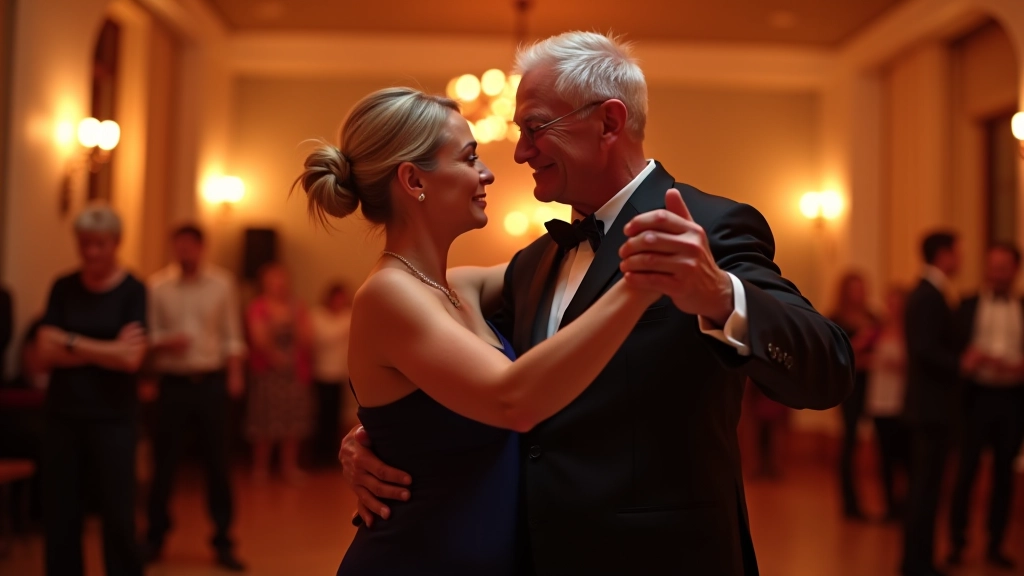
You don't need special outfit. Seriously. Most people wear exactly what they'd wear to dinner out — nice jeans, trousers, a clean top. Comfortable shoes matter though. You're on your feet for hours, so don't wear anything that pinches or blisters. Ladies typically wear smooth-soled shoes (leather soles work best). Men wear regular dress shoes or smooth-soled trainers.
The main thing is moving freely. Skip anything too tight around the shoulders or hips. You'll be turning, stepping, and shifting your weight constantly. Avoid heavy jewelry that swings around. A watch is fine. Dangly bracelets? They'll get in the way. Most dancers dress somewhere between "dinner date" and "gym class" — casual but put-together.
The Connection Factor
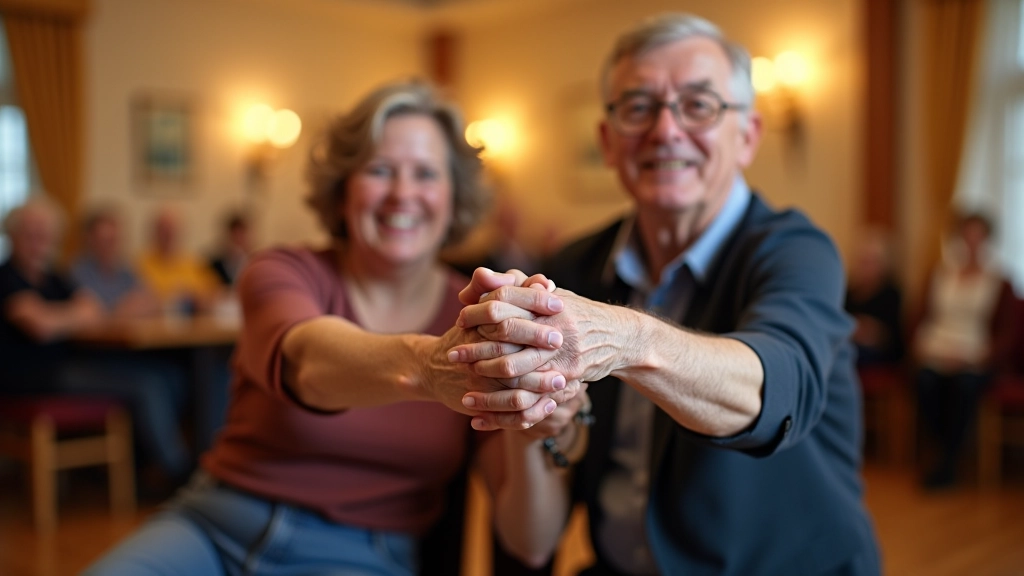
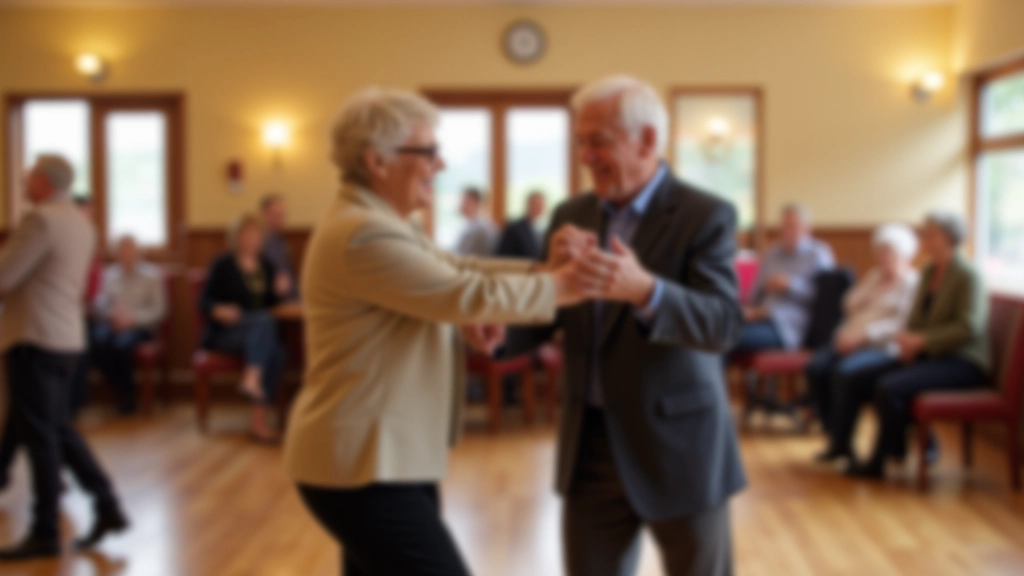
Partner dancing creates real connection. You're not just moving to music — you're communicating with another person through movement. Your partner feels where you're going, and you respond to their weight and rhythm. It's almost like a conversation without words. Most people find this surprisingly meaningful. You're working together toward something, which builds trust naturally.
This is especially valuable if you're dancing regularly. You might dance with different partners each night, or you might develop a regular dance partnership. Either way, there's genuine human connection happening. You're laughing when someone steps on someone's foot. You're encouraging each other when someone learns a new move. You're celebrating when a tricky sequence finally clicks. That sense of community is what keeps people coming back week after week.
Fitness Benefits Without Feeling Like Exercise
Here's what surprises most people: a 2-hour dance evening burns 400-500 calories depending on how active you are. You're constantly moving, turning, and maintaining balance. Your core is engaged the whole time. Your legs are working. Your coordination improves steadily. But it doesn't feel like a workout because you're enjoying yourself. You're focused on your partner, the music, the steps — not on calories or strain.
Balance improves noticeably within 4-6 weeks of regular dancing. Flexibility increases. Posture gets better because partner dancing requires you to stand properly — shoulders back, core engaged. Your cardiovascular fitness improves without the pounding of running. Most dancers feel stronger and more capable within a couple months of weekly attendance.
How to Get Started
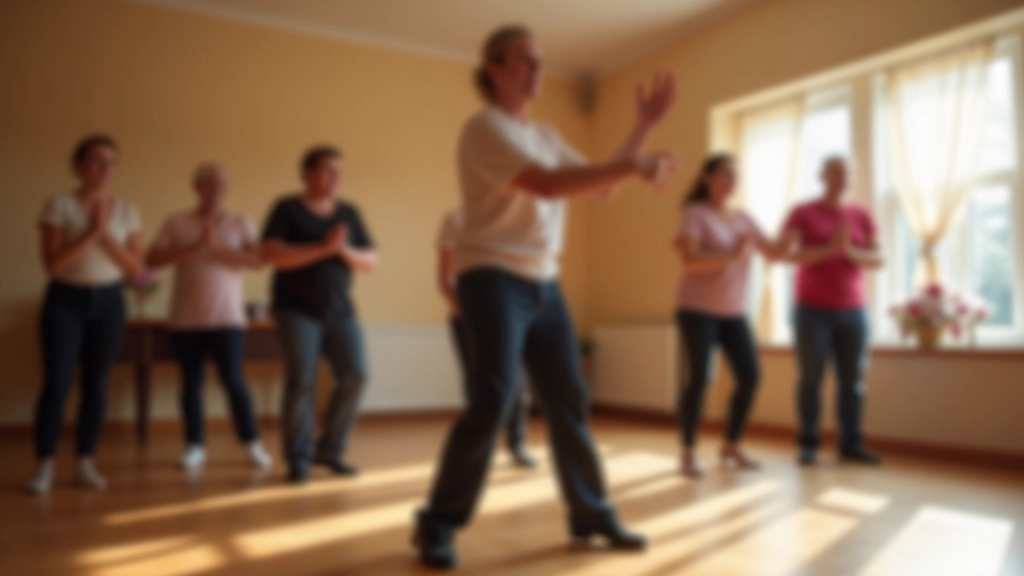
Your first night can feel nerve-wracking. That's normal. Here's what happens in reality: you arrive, someone shows you where to put your bag, and organizers introduce you around. Most venues have a brief teaching slot before the dancing starts — maybe 15 minutes covering basic steps. Then the social dancing begins.
Don't worry about not knowing anyone. People actively want to dance with newcomers. They remember being new. You'll probably dance with 5-10 different people your first night, and everyone's patient about teaching. You'll make mistakes. Everyone does. Someone will step on your foot, or you'll accidentally step backward instead of forward. You'll laugh about it. That's literally how everyone learns.
Find an event — Check local Facebook groups or contact your community hall directly
Arrive early — Show up 10-15 minutes before it starts. Less overwhelming than arriving late
Watch first if you need to — Stand on the sideline, observe, get comfortable with the space
Join in — Someone will ask you to dance. Say yes. You'll be fine
What Makes It Work
Partner dance evenings work because they're genuinely low-pressure. There's no performance aspect. You're not on a stage being judged. You're just moving with someone you've met that night. The music is good. The space is warm. People are friendly. Most importantly, everyone's there for the same reason — they enjoy dancing and they enjoy the company.
The regulars know this. They come back week after week because they've built real friendships. They look forward to it. They've noticed improvements in their fitness, their confidence, their balance. But more than anything, they come because it's fun. Genuinely, straightforwardly fun. No complicated reasons.
Building Your Own Routine
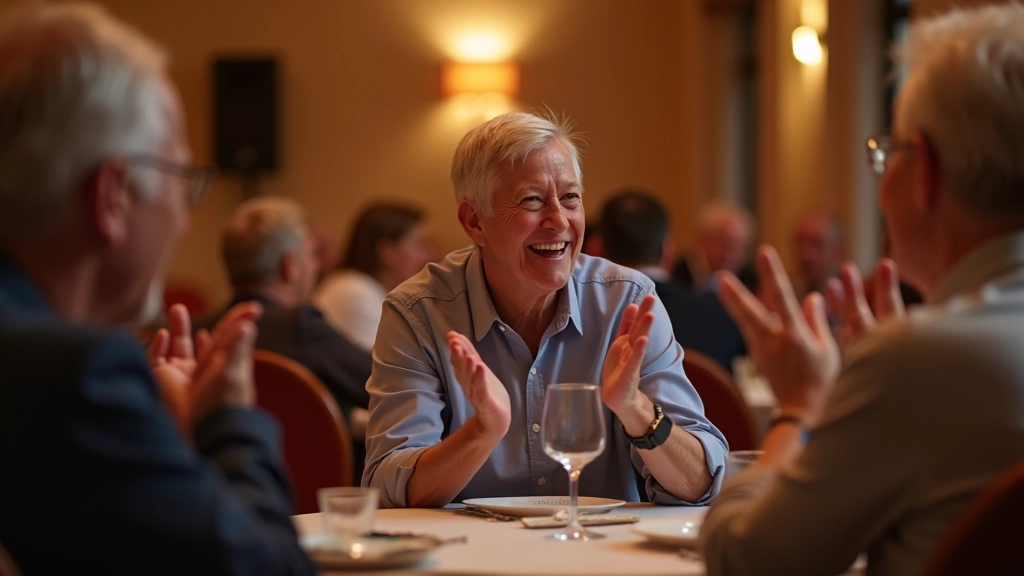
Most people who stick with partner dancing do so because it becomes routine. Tuesday and Thursday nights are dance nights. Or Friday is your night out. It becomes something you look forward to, like meeting friends for coffee. You see the same people regularly. You notice yourself improving. You try new steps you learned from watching others. You feel more confident on the dance floor.
After a few months of regular attendance, something shifts. You stop thinking about the steps and just dance. You're not worried about making mistakes. You're just enjoying the music and your partner's company. That's when it really becomes special. That's when you understand why people do this for decades.