

What Makes Structured Workshops Different
There's a difference between putting on music and dancing, and actually learning to dance. When you're over 45 and thinking about getting started with Latin dance, the structure matters. A lot. You're not trying to become a professional dancer — you're trying to enjoy movement, connect with music, and have fun with people who get it.
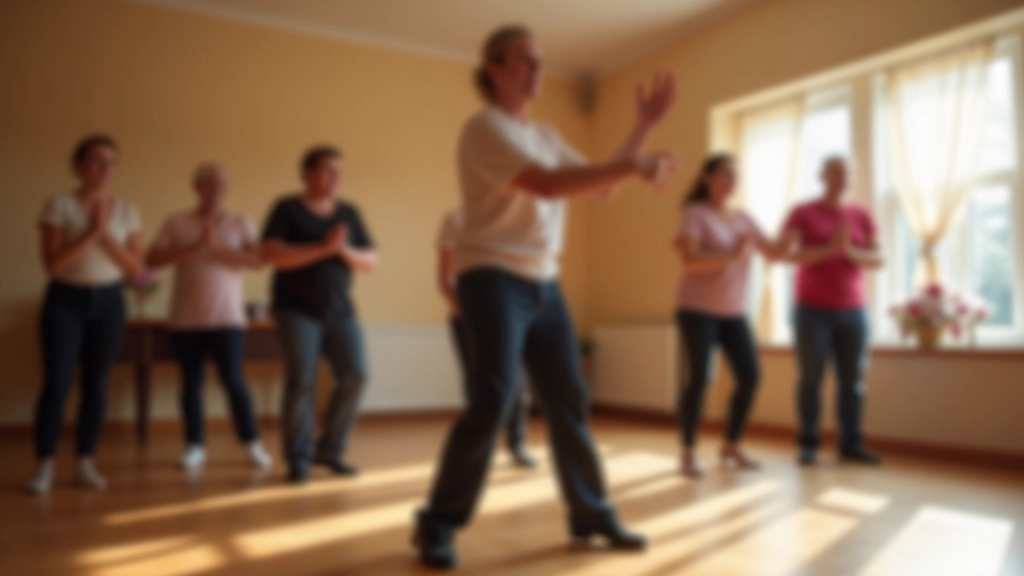
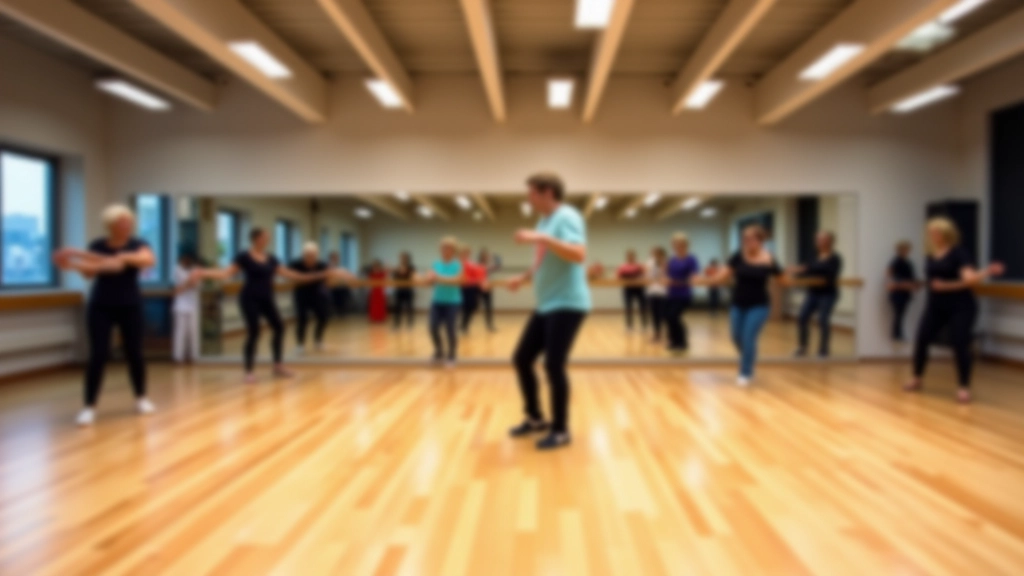
That's where structured workshops come in. They're built around progression. Week one focuses on basic footwork and rhythm. By week four, you're putting together simple combinations. Instructors break down each movement — weight transfer, hip action, arm styling — so nothing feels overwhelming. It's methodical. It works.
The best part? You're not alone. Everyone in the room is learning. There's no judgment, no pressure to perform, just consistent practice with people at your level.

Structure removes the confusion. You know exactly what you're working on each week. That confidence builds quickly.
The Three Main Styles: What Each Offers
Salsa is the foundation. Fast footwork, sharp hip action, energetic music — it's the style most people recognize. But it's also surprisingly technical. Your weight has to shift correctly, your frame needs to be stable, and your timing has to match the music's clave rhythm. Most workshops spend 6-8 weeks on salsa basics before moving to combinations.
Bachata is the opposite. Slower, more sensual, with smooth weight shifts. It's easier on the joints and gentler on the pace. If you've got knee or hip issues, bachata feels more manageable. Plus, the close partner connection in bachata builds a different kind of confidence.
Merengue fills the middle ground. Straightforward rhythm, simple step pattern, and a lot of fun. It's often taught as a confidence-builder before moving to the complexity of salsa.
Don't choose based on what sounds "coolest." Choose based on what feels sustainable for your body. Bachata if you want gentle movement. Salsa if you want intensity. Merengue if you want quick wins. The best workshop is the one you'll actually show up to.
Finding Quality Workshops: What to Look For
Not all dance classes are created equal. A good workshop for your level has several markers. First, class size matters. More than 15 people means less individual attention. You want space to move and feedback when something's off. Second, the instructor should be teaching progressively. If everyone's doing the same combination on week one, that's a red flag.
Ask about the structure before committing. A solid 8-week programme outlines what you'll learn each week. You're not just showing up and dancing — you're building a skill in a logical order. Galway has several community halls and dedicated dance studios running regular workshops. Killarney's community centre runs Tuesday and Thursday evening sessions specifically for adults over 45. Both locations offer beginner-friendly formats with mixed-level groups kept separate.
Cost varies from €50-90 for a single drop-in session to €280-350 for an 8-week block. Some workshops include partner pairing, others expect you to bring your own partner or rotate with the group.
How to Get Started: Five Clear Steps
Decide Your Style
Watch some YouTube clips of salsa, bachata, and merengue. Which one makes you want to move? That's your starting point.
Find a Local Workshop
Check community centres, dance studios, and cultural organisations in Galway, Killarney, or your area. Many offer free trial classes.
Attend One Trial Session
No commitment yet. Just go, see the space, meet the instructor, feel the energy. Most people know within one class if it's right.
Commit to 4 Sessions
Your body needs at least 4 weeks to adapt to new movement patterns. That's when you'll feel the difference.
Keep Going or Explore
If you love it, continue with the full programme. If not, try a different style or instructor. It's about finding what fits your life.
What to Expect in Your First Month
Week one feels awkward. You're thinking about your feet, your hips, the music, your partner — all at once. Your brain gets tired before your body does. That's completely normal. Everyone in the room felt the same way.
By week three, muscle memory starts kicking in. Your feet remember the basic step without thinking about it. Suddenly you can focus on other things — keeping the beat, listening to the music, even enjoying yourself.
Week four is when it clicks. The movement feels less forced. You're not counting steps out loud anymore. You're moving. It's the moment people actually feel like dancers, even if they've only learned the basics.
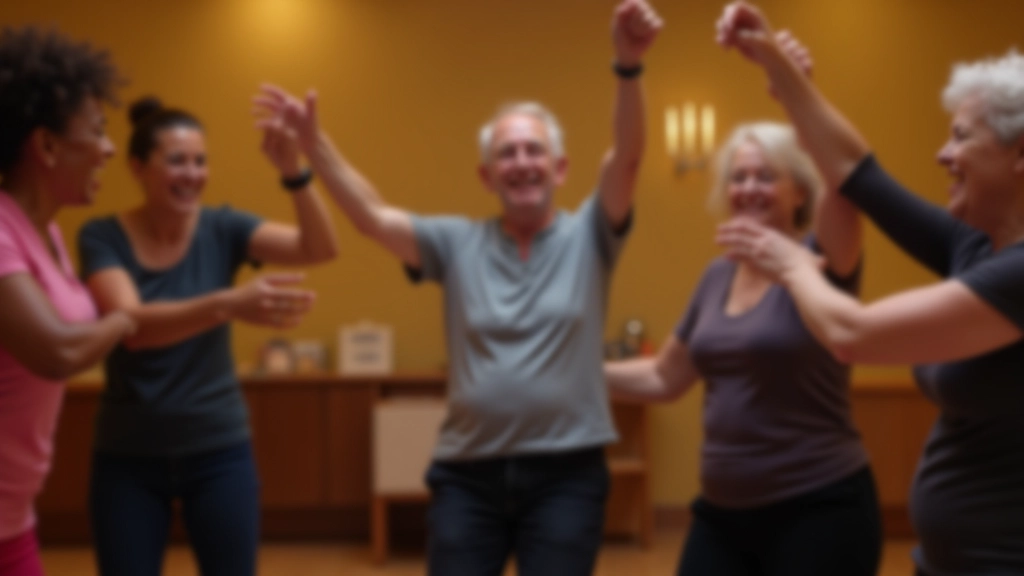
Expect some muscle soreness in your calves and feet. Expect to feel self-conscious for maybe two sessions. And expect to meet people who'll become your regular dance partners and friends. That social piece is often bigger than people anticipate.
"Wasn't convinced it was for me at first, honestly. But the instructor breaks everything down so clearly, and after four weeks my coordination improved a lot. Now I'm the one telling my friends they should try it."
Beyond the Workshop: Building Your Dance Life
Workshops are the foundation, but they're not the whole story. Once you've learned the basics, there's a whole ecosystem of social dance events. Partner dance evenings at community halls happen regularly. Open-level classes let you refine technique. Dance festivals bring together dancers from across Ireland.
The real benefit isn't just the dancing. It's belonging to a community that values movement, music, and connection. You're surrounded by people who've made the same choice you have — to stay active, engaged, and having fun. That matters at every age, especially over 45.
Start with a structured workshop. Learn the basics properly. Then decide where you want to take it. But that first workshop? That's the step that changes everything.