Getting Started with Salsa — What You Actually Need to Know
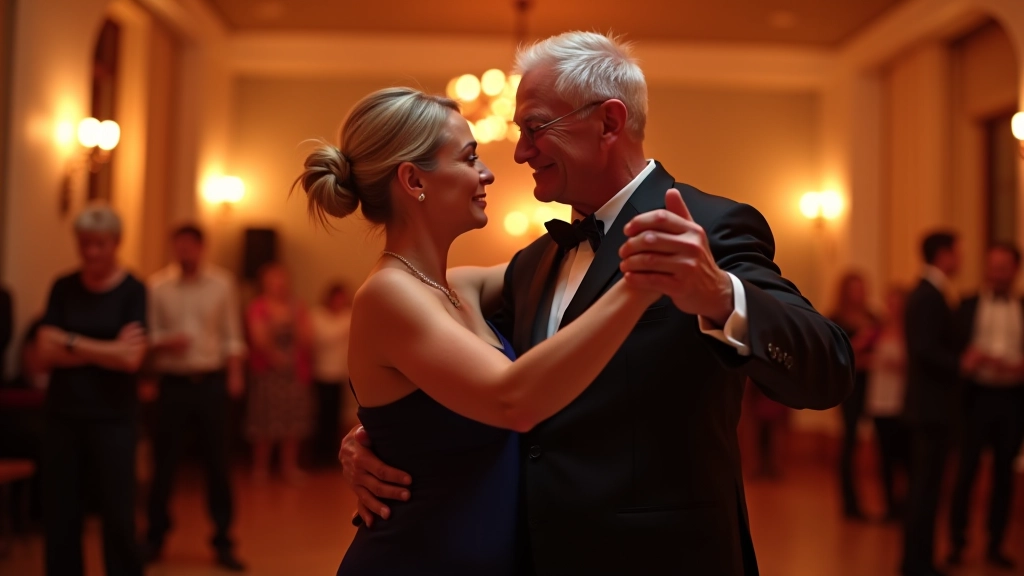
New to salsa? We'll walk you through the basics, the rhythm, and what to expect in your first class. It's easier than you think.

Why Salsa Is Perfect for Beginners
There's something about salsa that draws people in. Maybe it's the infectious music, or the energy you feel when you're in a room full of people moving together. Whatever it is, salsa isn't as intimidating as it looks from the sidelines.
We've taught hundreds of beginners over the years, and honestly? Most people pick up the basic step within their first session. It's not about being naturally talented — it's about understanding the rhythm and practicing the movements. You don't need to be young, you don't need previous dance experience, and you don't need to be in peak physical condition.
What you do need is curiosity and a willingness to try. That's it.
Feel the Beat
Salsa music has a clear, repeating rhythm you can follow
Simple Steps
The basic step takes 10 minutes to learn, not months
Real Fun
You'll smile within minutes, guaranteed
Community
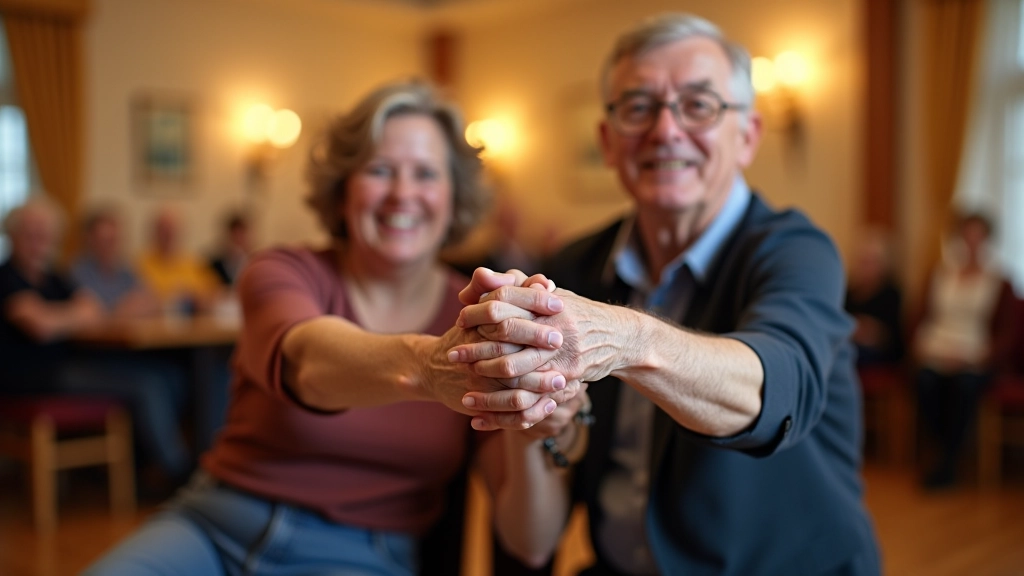
Everyone's learning together — no judgment here
The Basic Step: How It Actually Works
Salsa is built on an 8-count rhythm. That's it. Eight beats, repeating over and over. Once your body understands where beats 1, 5, and 7 are, you're basically dancing salsa.
The 8-Count
Beat 1: Step forward with your left foot. Beats 2-3: Step side and back. Beats 4-5: Recover. Beats 6-7: Step back with your right foot and side-together. Beat 8: Pause. Then repeat.
That forward-back movement is the soul of salsa. Everything else builds from that basic pattern. Hip movement comes naturally once you're moving your feet — you're not forcing it, it just happens.
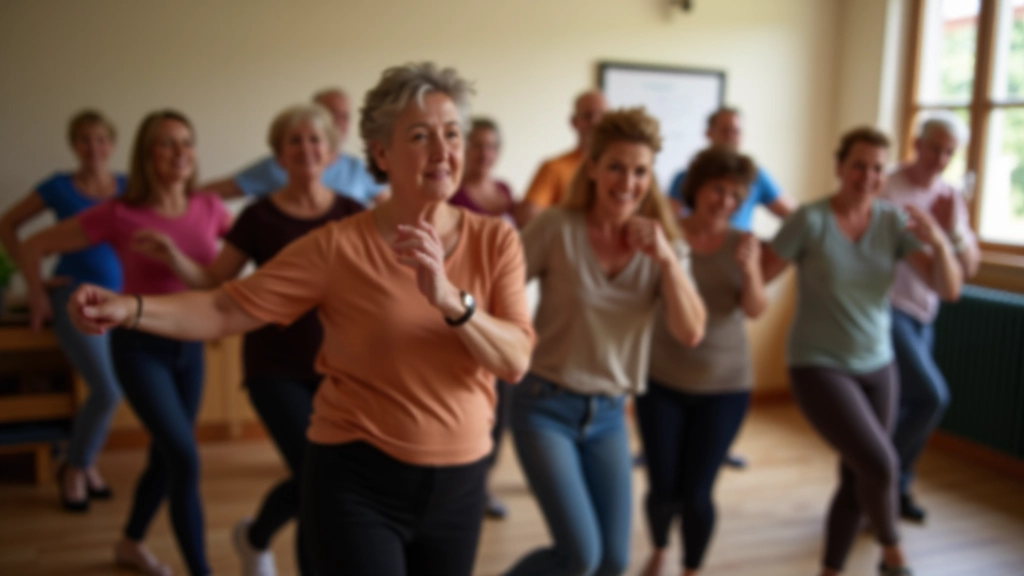
Most instructors teach this in the first 15 minutes. You'll feel clumsy at first (everyone does), but by the end of your first class, you'll be doing it. Not perfectly, but you'll be doing it.
Understanding the Music
Here's what separates salsa from other dances: the music tells you exactly what to do. You're not creating the movement — you're responding to the rhythm.
Salsa music has this driving beat. Listen to any classic salsa track and you'll hear a clave rhythm — it's like a heartbeat underneath everything. The percussion is tight, the horns are bright, and the whole thing feels alive.
Your job is to match your feet to that rhythm. Don't think too hard about it. Let your body feel the beat. Most beginners spend their first few classes just listening, letting the music sink in. That's exactly right. The steps come after the rhythm.
Pro tip: Count out loud when you're learning. "1-2-3, pause, 5-6-7, pause." Hearing yourself count helps your body internalize the rhythm faster than anything else.
What to Bring to Your First Class
You don't need much. Seriously.
Shoes
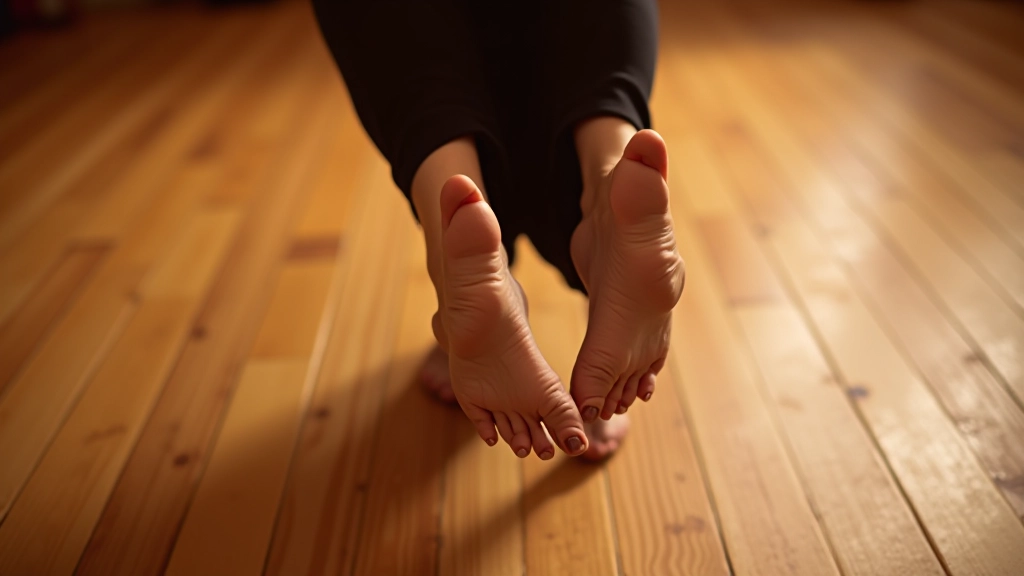
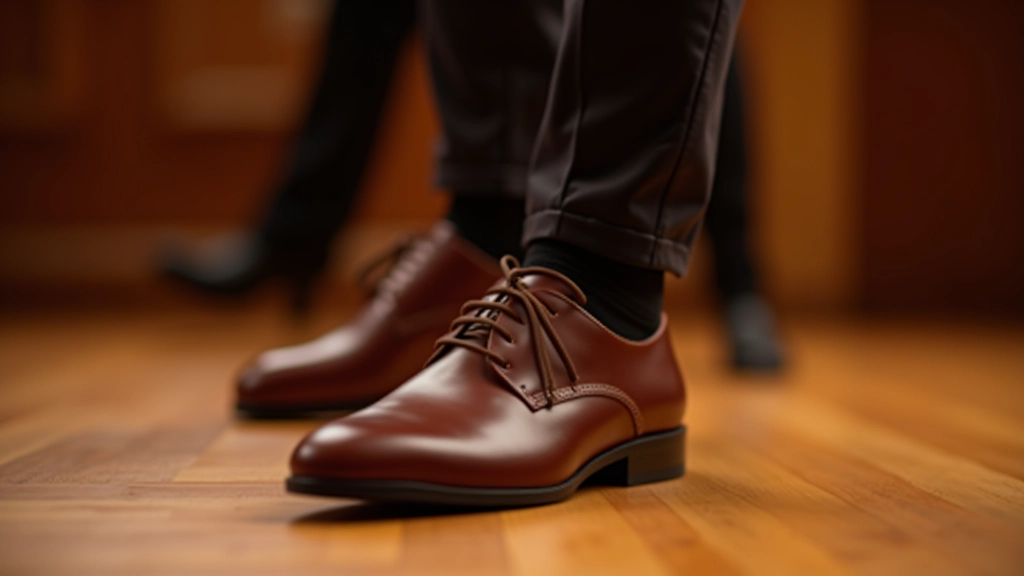
Wear something with a smooth sole — leather-soled shoes or dance shoes. Don't wear trainers or shoes with grip. You need to be able to turn without your feet sticking to the floor.
Clothes
Wear something you can move in. Jeans work fine. Avoid anything too baggy or too tight. You'll be moving your hips, so give yourself room.
Water
Bring a bottle of water. You'll work up a sweat faster than you expect, and staying hydrated helps you concentrate.
Mindset
Leave perfectionism at the door. You're going to feel awkward. Everyone does. That awkwardness lasts about 20 minutes, then it disappears.
What Actually Happens in Your First Class
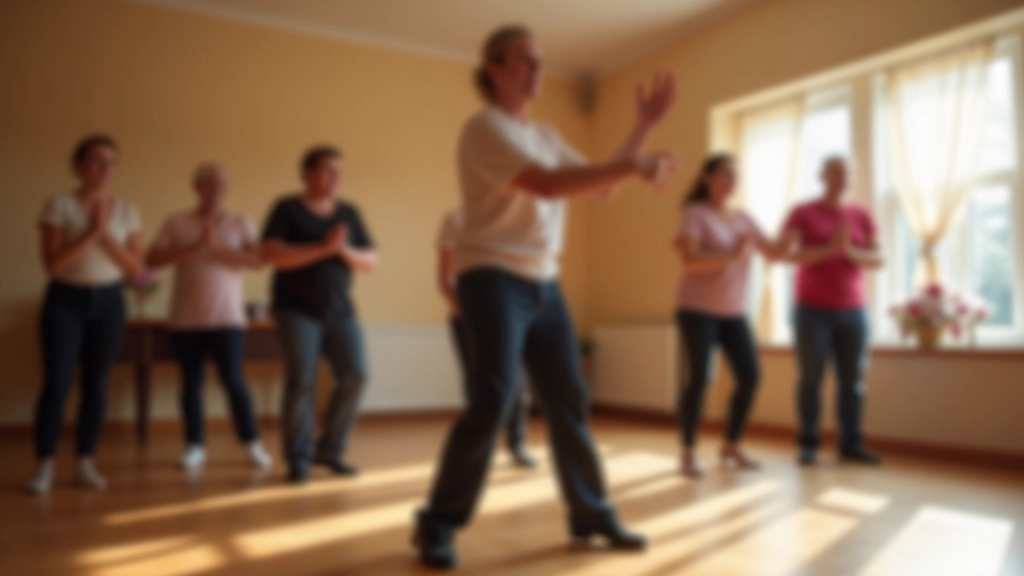
Most beginner classes follow the same pattern. You'll arrive, chat for a few minutes, then the instructor will ask everyone to line up.
First 15 minutes: warm-up. You'll do some light movement to get your body loose. Nothing fancy — just stretching and walking to the beat. Your instructor's job here is to get you comfortable with the music and the studio.
Next 30 minutes: the basic step. This is where it happens. You'll learn the 8-count. You'll do it without music. You'll do it with music. You'll do it a hundred times. Your feet will feel heavy. Your legs might ache a bit. That's normal — you're using muscles you haven't used before.
Last 15 minutes: cool-down and maybe a simple combination. You'll bring your heart rate down, stretch out, and maybe learn a few extra steps. Some classes end with partner dancing — don't panic. It's just moving together, not performing.
"Wasn't sure about coming at first. But honestly, after the first session I felt like I'd done something real. Didn't feel clumsy at all — the instructor made sure everyone knew what they were doing."
— Maurice, 58
Progress Looks Like This
1
Week 1
You'll learn the basic step and start feeling the rhythm. Your feet won't be smooth yet — they'll be a bit stiff. That's fine. Everyone starts here.
2
Weeks 2-3
Your body starts remembering the pattern without thinking about it. You'll notice your hips moving naturally. You'll start to relax. The music makes sense now.
3
Weeks 4-6
Real confidence shows up. You're doing turns. You're dancing with a partner. You're not thinking about your feet anymore — you're just dancing.
4
Weeks 7-8
You're ready for intermediate moves. You'll start learning spins, cross-body leads, and more complex combinations. But you'll understand them because you've built the foundation.
Start This Week
You're overthinking it. That's what every beginner does. They imagine themselves flailing around, embarrassing themselves, getting everything wrong. It doesn't happen that way.
What actually happens is you show up, you learn something new, you move your body to music, and you feel great afterwards. You'll leave your first class with sore calves and a smile. You'll go home and tell someone "I danced salsa today." And you'll want to go back.
That's how it works. Not because you're naturally talented. Because salsa is designed to be learned. The rhythm guides you. The instructor supports you. The other students understand exactly what you're going through.
Ready to Find a Class?
Browse our guide to Latin dance workshops and beginner classes in Galway and across Ireland.
Explore Dance ClassesImportant Note
This article provides educational information about salsa dancing for beginners. It's not medical advice. If you have any health concerns — joint problems, cardiovascular conditions, balance issues — consult with your GP or healthcare provider before starting any new physical activity. Dance instructors can modify movements to suit your needs, so let them know about any limitations you have. Everyone progresses at their own pace, and there's no rush.
Related Articles