Getting Started with Salsa — What You Actually Need to Know
Learn the basic steps, understand rhythm, and discover why salsa is perfect for building energy and confidence on the dance floor.
Bachata is slow, sensual, and surprisingly good for your body. Find out why it's ideal for building strength and balance while you dance.
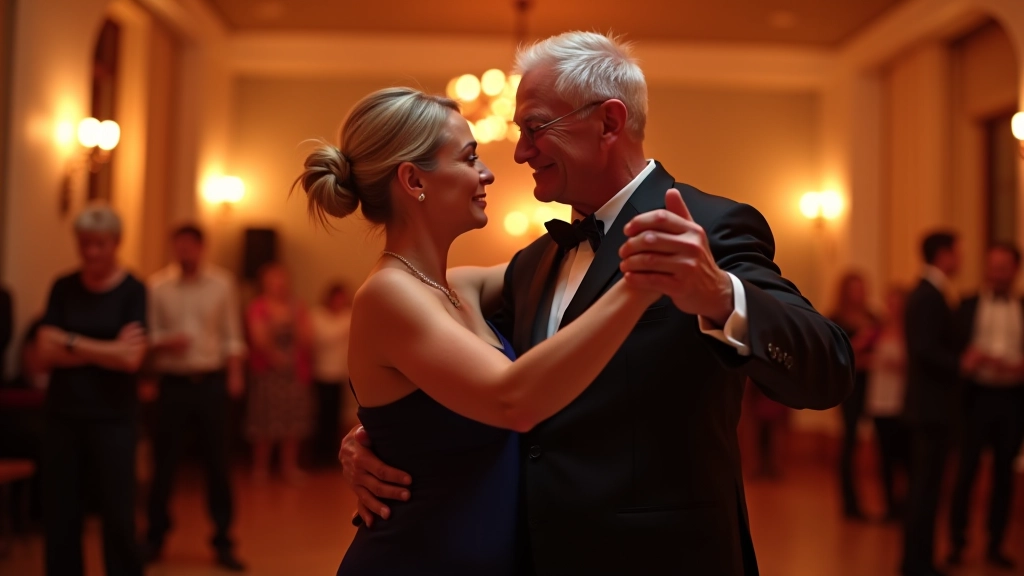

You've probably heard bachata called "the lover's dance." It's true — the music's got that slow, intimate vibe. But here's what matters for fitness: it's not lazy. When you're dancing bachata properly, you're engaging your core, working your legs, and improving balance the whole time. The key is the hip movement. That figure-eight motion isn't just for show. It's actually strengthening your lower back, engaging your abdominals, and building stability.
Unlike salsa or merengue, which move at a faster clip, bachata gives you time to focus on technique and feel the movements. You're not rushing. That means better form, fewer injuries, and more control over your body. Plus, you're never isolated — you're dancing with a partner, which adds a whole different element to fitness.
Let's be specific about what happens to your body when you dance bachata regularly. The hip movement strengthens your hip flexors and glutes. Your core gets activated with every step — you're not consciously thinking about it, but you're holding yourself upright and balanced through the entire dance. Your legs work harder than you'd expect, especially in the calf and thigh muscles.
Most people see noticeable improvements in posture within a few weeks. That's because you're learning to stand taller, keep your shoulders relaxed, and engage your core. Your balance improves too. If you've ever worried about falling or felt unsteady, dancing helps. You're constantly shifting your weight, adjusting your stance, and working with a partner who's depending on you.
Cardiovascular benefits aren't the main focus of bachata — that's where faster dances shine. But you're still moving for 3 to 4 minutes per song without stopping. If you're doing multiple songs in a session, that adds up. You're getting steady, sustainable movement that doesn't spike your heart rate dangerously but keeps you active.
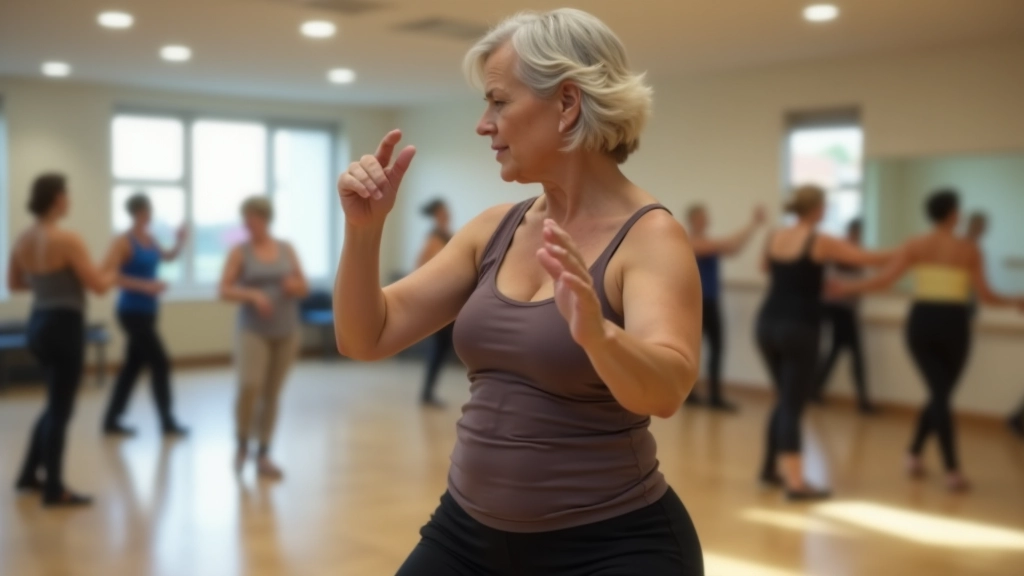
Weeks 1-4
You'll notice your legs feel stronger after sessions. Coordination starts improving. You're thinking less about the steps and more about the music.
Weeks 5-8
Your posture noticeably improves. Balance feels steadier. You can dance longer without getting as tired. Core strength is building.
Weeks 9-12
You're feeling confident in your movements. Flexibility improves. You've built real muscle tone in your legs and core. Partner connection feels natural.
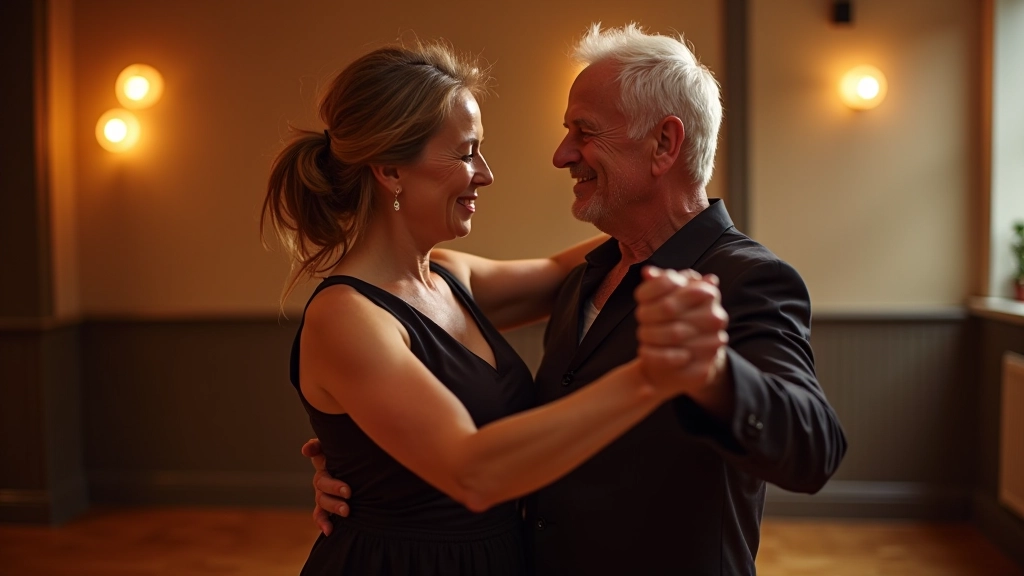
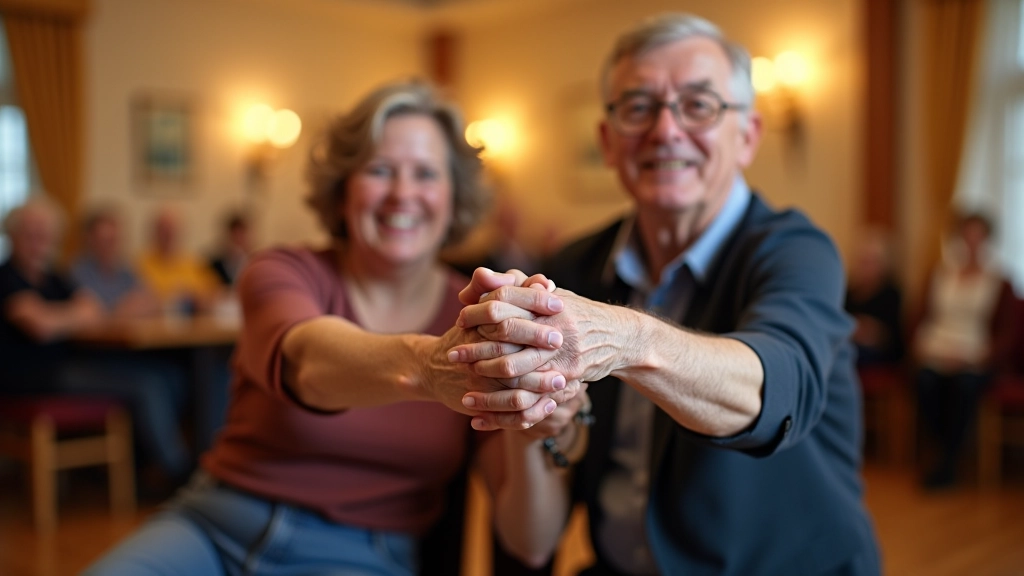
Here's something that doesn't show up in fitness metrics: the mental and emotional benefits. Bachata is genuinely about connection. You're not just dancing next to someone — you're moving together, responding to their weight, feeling the rhythm as a pair. That kind of partnership reduces stress and anxiety.
It's also deeply social. You're in a room with other people who want to dance and enjoy music. You're laughing, you're talking between songs, you're learning from each other. For people who've felt isolated or stuck in routine, that social element is transformative. It's not therapy, but it feels therapeutic.
And there's something about the sensuality of bachata that feels different. It's not aggressive or competitive. You're moving slowly, deliberately, with intention. That builds confidence in your body, regardless of your age or how long it's been since you moved intentionally.
"I wasn't expecting to enjoy it this much. Started dancing bachata because a friend asked, and now I actually look forward to it every week. My knees feel better, I stand straighter, and honestly it's the best part of my week."
You don't need special equipment or months of preparation. Here's how to start properly:
Find a beginner class
Look for classes specifically labeled for beginners or "all levels." Instructors who work with mature dancers understand your needs. They'll slow things down and focus on form.
Wear comfortable clothes
You don't need fancy dance clothes. Just wear something you can move in — pants or skirts with flexibility, shoes with a smooth sole. Socks work fine if you don't have dance shoes.
Give it four weeks
Don't judge it after one session. Your brain needs time to learn the patterns, your muscles need time to adapt. After four weeks, you'll feel the difference.
Partner doesn't have to be perfect
You'll rotate partners in class. Some will be better than others. That's normal. You learn from each person. The key is showing up consistently.
Salsa is fast and energetic. Merengue is bouncy and fun. Bachata is intentional and intimate. The rhythm is slower — about 120-130 beats per minute compared to salsa's 160+. That pace matters for fitness and for learning.
You're also closer to your partner in bachata. The frame is tighter. You're feeling their weight and responding to subtle shifts. That requires more body awareness and control. It's not just about moving your feet — you're engaging your whole body.
The fitness benefit is more about strength and stability than cardio. If you're looking for a harder aerobic workout, you might pair bachata with something faster. But for building functional strength, improving posture, and developing coordination, bachata is genuinely effective.
Bachata isn't a high-intensity fitness class. It's not meant to be. What it is: a sustainable, enjoyable way to build strength, improve balance, and stay active without feeling like you're exercising. You're dancing. You're with people. You're moving to music you enjoy. The fitness benefits come naturally from that.
If you're over 45 and you've been thinking about getting more active, this is worth trying. You don't need any special background. You don't need to be coordinated. You just need to show up and move. After a few weeks, you'll notice your body feels different. Stronger. More confident. And you'll probably have made some friends along the way.
Important Note
This article is for informational purposes and describes the general fitness benefits of bachata dancing. It's not medical advice. If you have any health conditions, joint issues, or concerns about exercise, consult with your doctor or healthcare provider before starting a new physical activity. Everyone's body is different, and what works for one person might need adjustment for another. Work with qualified instructors who understand your individual needs and can offer modifications.